

Unlock Your Wavy Hair Potential: Understanding Your Hair Type
Hair types can be categorized into four main groups: straight, wavy, curly, and coily. Each type has distinct characteristics and requires specific care and styling techniques. Wavy hair falls between straight and curly, exhibiting a natural S-shaped pattern that provides volume and movement.
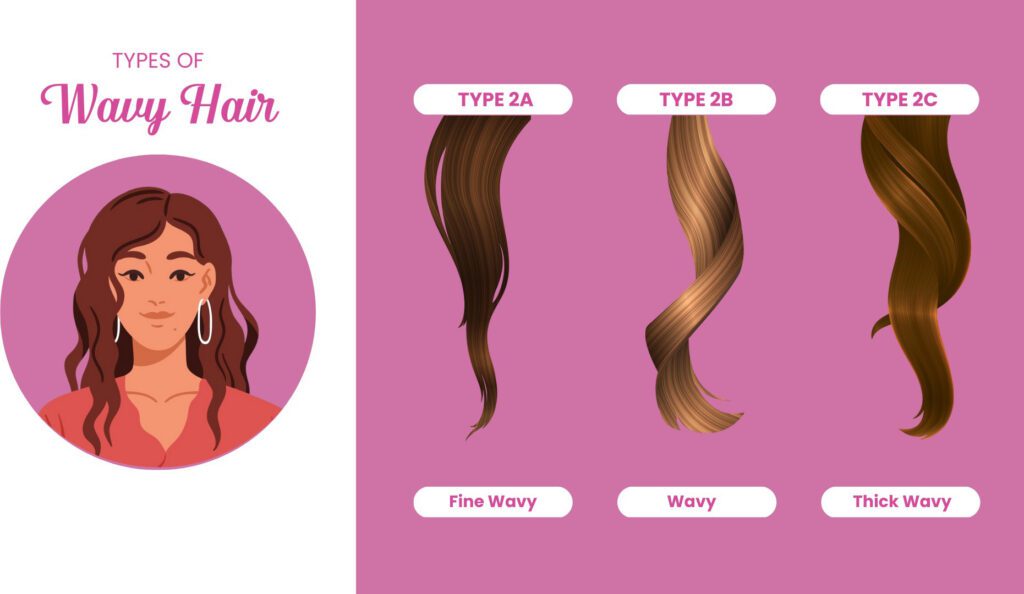
Understanding one’s hair type is crucial for maintaining healthy and attractive hair. Wavy hair is known for its versatility, allowing various styling options to achieve different looks. However, it also presents challenges such as frizz and lack of definition.
Understanding wavy hair’s unique properties and proper care methods can enhance one’s natural texture and overall appearance. Wavy hair is characterized by gentle, loose curls forming an S-shaped pattern. It is often prone to frizz and can be challenging to manage without appropriate products and techniques.
Wavy hair tends to be drier than straight hair due to the difficulty of natural oils traveling down the hair shaft. This can result in frizz and reduced curl definition. Additionally, wavy hair can be easily weighed down by heavy products.
Using lightweight, moisturizing products that enhance the natural texture without causing greasiness or flatness is essential. Understanding these characteristics allows individuals to tailor their hair care routine to meet the specific needs of wavy hair and maintain its optimal appearance.
Identifying Your Hair Type: What Makes Hair Wavy
Understanding Wavy Hair Texture and Thickness
Wavy hair can vary in texture and thickness, with some individuals having fine, delicate waves while others have thick, coarse waves. Identifying your specific wavy hair type is essential for choosing the right products and styling techniques. By understanding what makes your hair wavy, you can tailor your hair care routine to meet its unique needs and enhance its natural beauty.
Identifying Wavy Hair Patterns
The key to identifying wavy hair lies in its natural pattern and texture. Wavy hair typically has a soft, subtle curl that forms an S-shaped pattern from the roots to the ends. This pattern gives wavy hair its bounce and movement, distinguishing it from straight or curly hair.
Embracing Wavy Hair’s Unique Characteristics
Additionally, wavy hair tends to have more volume and body than straight hair but less definition and tightness than curly hair. By paying attention to how your hair naturally falls and observing its texture and curl pattern, you can determine whether you have wavy hair and explore the best ways to care for and style it. Understanding the unique characteristics of wavy hair is the first step towards embracing and enhancing its natural beauty.
Caring for Wavy Hair: Products and Techniques
Caring for wavy hair requires a combination of the right products and techniques to enhance its natural texture and keep it looking its best. Wavy hair tends to be more prone to dryness and frizz, so it’s important to use moisturizing products that nourish the hair without weighing it down. Look for lightweight shampoos and conditioners that hydrate the hair without stripping it of its natural oils.
Additionally, using a leave-in conditioner or detangling spray can help smooth out tangles and add extra moisture to wavy hair. When styling wavy hair, opt for products that enhance its natural texture, such as curl-enhancing creams or mousses. These products can help define the curls and reduce frizz without making the hair feel heavy or greasy.
In addition to using the right products, certain techniques can help to care for wavy hair effectively. For example, using a wide-tooth comb or your fingers to detangle wavy hair when it’s wet can help prevent breakage and minimize frizz. It’s also important to avoid brushing wavy hair when it’s dry, as this can disrupt the curl pattern and create more frizz.
Instead, gently scrunching the hair with a microfiber towel or T-shirt can help enhance the natural waves without causing damage. When blow-drying wavy hair, use a diffuser attachment on a low heat setting to minimize frizz and encourage the natural curl pattern. By using the right products and techniques, you can effectively care for your wavy hair and keep it looking healthy and beautiful.
Embracing Your Natural Texture: Styling Tips for Wavy Hair
| Styling Tips for Wavy Hair | Benefits |
|---|---|
| Use a wide-tooth comb | Prevents breakage and reduces frizz |
| Avoid brushing when dry | Preserves natural wave pattern |
| Apply a curl-enhancing mousse | Defines waves and adds volume |
| Air dry or use a diffuser | Minimizes heat damage and enhances texture |
| Sleep on a silk pillowcase | Reduces friction and prevents frizz |
Embracing your natural texture is an important part of caring for wavy hair. It allows you to enhance its beauty and express your style. When styling wavy hair, several tips and techniques can help you make the most of its natural texture. For example, using a diffuser attachment on a low heat setting when blow-drying wavy hair can help to enhance the natural curl pattern and minimize frizz.
Additionally, applying a curl-enhancing cream or mousse to damp hair can help define the curls and add extra bounce and movement. Embracing your natural texture also means avoiding heavy products that weigh down wavy hair and make it look flat or greasy. Instead, opt for lightweight styling products that enhance the natural waves without compromising volume or body.
Another way to embrace your natural texture is to experiment with different hairstyles that complement wavy hair. For example, wearing your hair in loose, tousled waves or a half-up, half-down style can showcase the beauty of wavy hair while keeping it out of your face. Braids and twists are also great options for styling wavy hair, as they can help define the curls and add an element of bohemian chic to your look.
Embracing your natural texture is all about finding styles that make you feel confident and beautiful while allowing your wavy hair to shine. By experimenting with different styling techniques and embracing your natural texture, you can discover new ways to showcase the beauty of your wavy locks.
Common Mistakes to Avoid: How to Keep Wavy Hair Healthy
People with wavy hair often make several common mistakes, which can compromise its health and appearance. One common mistake is using harsh shampoos that strip the hair of its natural oils, leading to dryness and frizz. Instead, opt for gentle, sulfate-free shampoos that cleanse the hair without causing damage.
Another mistake is over-washing wavy hair, which can strip it of natural oils and lead to dryness and frizz. Instead, try washing your wavy hair every 2-3 days to maintain its natural moisture balance. Using heavy styling products is another common mistake that can weigh down wavy hair and make it look flat or greasy.
Instead, opt for lightweight products that enhance the natural texture of wavy hair without compromising volume or movement. Additionally, using heat styling tools without a heat protectant can damage wavy hair and lead to breakage and frizz. To keep wavy hair healthy, always use a heat protectant before using hot tools, such as flat or curling irons.
You can keep your wavy locks looking their best by avoiding these common mistakes and adopting healthy hair care habits.
Finding the Right Haircut: Flattering Styles for Wavy Hair
Considering Key Factors
When selecting a haircut for wavy hair, consider factors such as face shape, lifestyle, and personal style preferences. For instance, long layers can add movement and definition to wavy hair while keeping it light and airy.
Flattering Haircut Options
A layered bob is another flattering option for wavy hair, as it can showcase the natural texture while adding shape and volume. Another popular haircut for wavy hair is the shag haircut, which features choppy layers and a tousled finish that complements the natural waves. This edgy yet feminine style adds texture and movement to wavy locks while keeping them looking effortlessly chic.
Consulting a Professional Stylist
When choosing a haircut for wavy hair, it’s vital to consult with a professional stylist who understands how to work with your specific texture and create a flattering shape that complements your features. Finding the right haircut for your wavy locks can enhance their natural beauty and make them easier to style and maintain.
Embracing Your Wavy Hair: Confidence and Self-Acceptance
Embracing your wavy hair is more than just caring for its physical appearance; it’s also about cultivating confidence and self-acceptance. Learning to love and appreciate your natural texture is an empowering journey that allows you to express your individuality and embrace your unique beauty. By embracing your wavy locks, you can inspire others to do the same and positively impact how society perceives different types of beauty.
Confidence is key to embracing your wavy locks. Feeling confident in your natural texture can exude self-assurance and inspire others to do the same. Embracing your wavy locks also means letting go of societal beauty standards and embracing diversity in all its forms.
Celebrating your natural texture can encourage others to do the same and create a more inclusive beauty culture. Self-acceptance is another important aspect of embracing your wavy locks. Learning to love and appreciate your natural texture is a journey towards self-discovery and empowerment.
By accepting yourself as you are, you can inspire others to do the same and create a more positive self-image in society. In conclusion, understanding your wavy locks is essential for caring for them properly and embracing their natural beauty. Using the right products and techniques, you can keep your wavy locks healthy and beautiful while expressing your style.
Embracing your natural texture is more than just physical appearance; it’s also about cultivating confidence and self-acceptance. Celebrating your wavy locks can inspire others to do the same and create a more inclusive beauty culture.
FAQs
What are the different types of wavy hair?
There are three types of wavy hair: type 2A, type 2B, and type 2C. Type 2A is a loose, tousled wave, type 2B is a more defined S-shaped wave, and type 2C is a thick, coarse wave with more defined curls.
How can I determine my wavy hair type?
To determine your wavy hair type, you can look at the shape and pattern of your waves. Type 2A waves are more subtle and loose, while type 2B waves are more defined and S-shaped. Type 2C waves are thicker and have more defined curls.
What are some tips for caring for wavy hair?
Some tips for caring for wavy hair include using a sulfate-free shampoo and conditioner, avoiding heat styling tools, using a wide-tooth comb to detangle, and using a diffuser when blow-drying to enhance the natural wave pattern.
What products are best for wavy hair?
Products best for wavy hair include lightweight, moisturizing shampoos and conditioners, leave-in conditioners, curl-enhancing creams or gels, and sea salt sprays for added texture.
How can I enhance my wavy hair texture?
To enhance wavy hair texture, you can use a diffuser when blow-drying, scrunch your hair with a curl-enhancing product, and use a sea salt spray to add texture and definition to your waves.


